Is Civic Sense in India a Joke? Ground Reality!

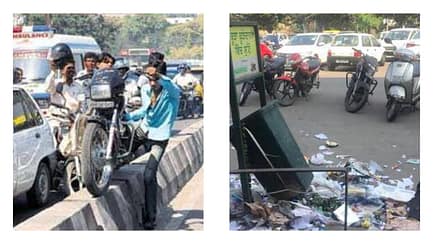
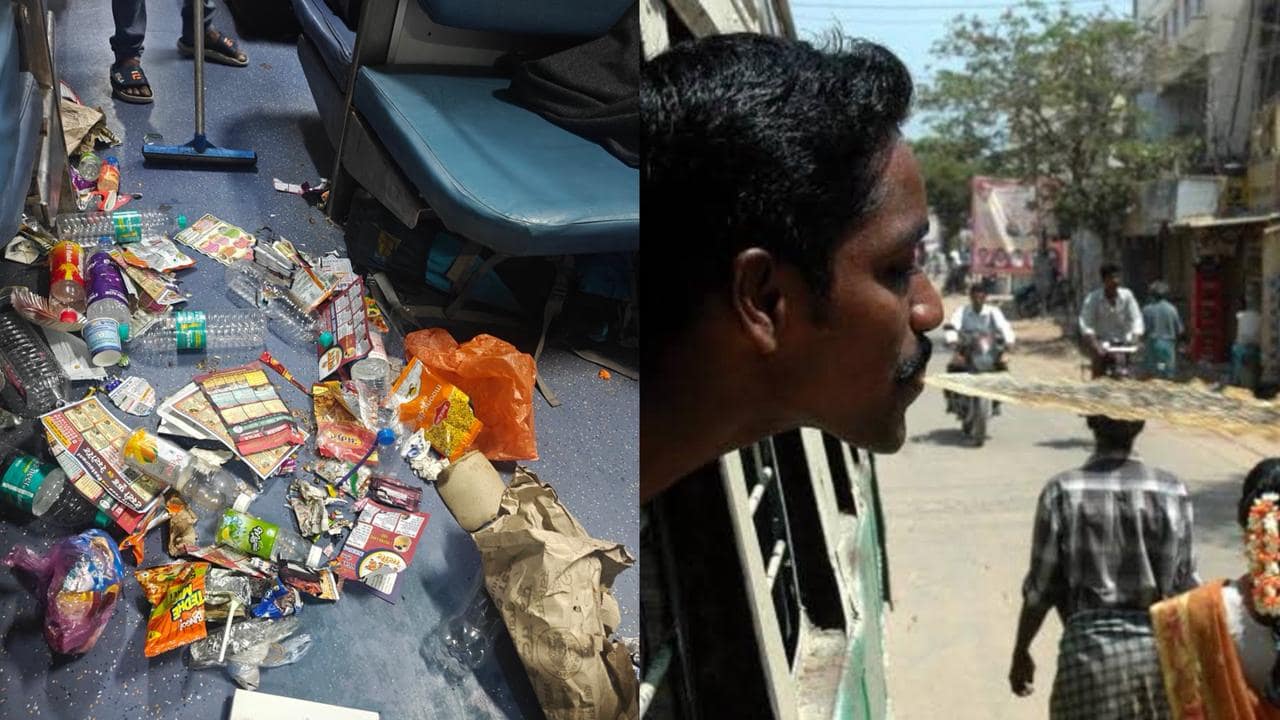
Civic sense India shown through littered public streets

Civic sense in India is trending because many social media videos show how people behave in public places. Some videos show bad behaviour, while others show good habits like cleanliness and helping others. These videos have started discussions about how citizens should act responsibly. People are talking about how civic sense can make India cleaner, safer, and better for everyone.

About India and civic sense

India is a large country in South Asia with many cultures, languages, and traditions. It is the world’s largest democracy. India is known for its history, unity in diversity, and strong values of respect and cooperation among people.

Civic sense is about basic manners in society. It means the habit of behaving responsibly and respectfully in public places. It includes the following rules: keeping surroundings clean, respecting others, and caring for public property. Civic sense helps people live together peacefully.

The connection between India and Civic sense

Civic sense has become big news in India because people are paying more attention to how citizens behave in public places. Issues like cleanliness, following rules, and respecting others are being discussed widely. Many reports and online discussions highlight how poor civic sense can cause problems for society. Some online comments also include trolling, which adds noise to the discussion. Overall, this attention shows that civic sense is important for making India a better and more responsible country.

Civic Sense Ranking (Indicative – Global Comparison)

fast-food fried chicken prepared in restaurant kitchen
The Truth about Fast-Food Fried Chicken and Why It’s So Addictive
Country Indicative Global Rank Overall Civic Behaviour
Japan Top 5 worldwide Very high discipline and civic sense
China Top 15 worldwide Strong enforcement and public order
United States Around 30–35 Mixed civic behaviour
India Around 70–80 Weak everyday civic discipline
Pakistan Around 90–100 Poor public civic discipline


Every Example Seen In INDIA

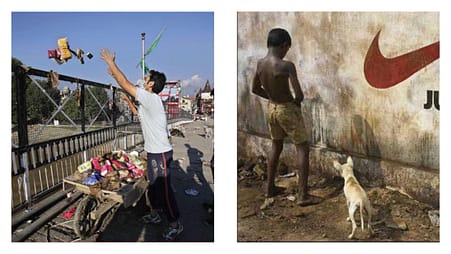
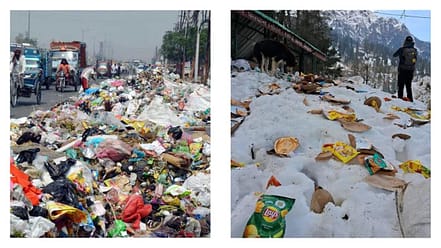
Littering in public places – Garbage is thrown on roads even when dustbins are nearby. People blame authorities but ignore personal responsibility.
Ignoring traffic rules – Signal jumping, wrong-side driving, and honking are common. Many argue when stopped by the police.
No respect for queues – At banks, buses, and shops, people push ahead. Waiting patiently is often ignored. Spitting and public damage – Walls, stairs, and public buildings are damaged and dirtied, even though they belong to everyone. 

Other incidents due to a lack of civic sense

  • Delhi Metro incident (India): A viral video showed a man behaving improperly inside a metro station, raising questions about public hygiene and discipline.
  • Indian Railways coach video (India): A foreign tourist shared a video showing dirty conditions inside a train, which led to a debate on civic responsibility.
  • Traffic rule violations (India): Videos of signal jumping, wrong-side driving, and road arguments are shared daily online.
  • Queue problems (India): Incidents at banks, buses, and airports show people pushing instead of waiting in line.
  • Public spitting cases (India): Paan spitting and damage to public walls and buildings are often highlighted in viral clips.
  • Indian tourists abroad: In countries like Singapore, Vietnam, and the UK, some incidents involving poor queue manners, loud behaviour, and spitting have drawn criticism online.
  • Public transport abroad: Foreign authorities have complained about stains and litter linked to bad habits brought from outside.
  • Online reaction: These incidents, both in India and abroad, have increased serious discussion and criticism about civic sense.
 

rule violations highlighting civic sense India issues

Why Is Civic Sense So Poor?

Someone else will clean it” mentality.
Many people believe cleaning and care are not their responsibility. This shifts accountability away from citizens.
Lack of civic education.
Schools focus more on exams than on daily behavior. Children grow up without learning respect for public spaces.

Weak law enforcement.
Rules exist, but penalties are rarely strict or consistent. Without consequences, bad habits continue.

Effect of Development and Blaming the Government

Development improves public facilities and living standards, but it does not automatically create good civic sense. When people blame the government for dirty streets or broken rules, they often ignore their own responsibility. This weakens civic behavior like cleanliness, discipline, and respect for public spaces. True progress happens when citizens understand that civic sense is as important as development projects.

What can be done to FIX it?

Start with Education & Role of Parents at Home: Civic sense must be taught as a daily life skill in schools. Children follow rules better when parents practice them at home.

Gen Z relationship terms including benching, ghosting and love bombing
Gen Z Dating Terms Explained: Benching, Love Bombing, Ghosting

Strict and Fair Penalties & Strong Law Enforcement: Rules work only when punishment is certain and equal. Consistent enforcement reduces casual rule-breaking.

Lead by Example & Civic Sense Through Daily Practice: Change begins with individual behavior in public spaces. Daily habits matter more than speeches and campaigns.

Respect for Public Property & Community Responsibility: Public places belong to everyone and must be protected. Local communities can correct behavior faster than authorities.

Better Infrastructure Support & Media and Awareness: People follow rules when facilities are available and clean. Media repetition helps normalize disciplined behavior.

Ending the “Chalta Hai” Mindset & Rewarding Good Behavior: Casual rule-breaking has become socially accepted. Positive behavior should be encouraged and appreciated.

Realme Buds Air 8 Pro: Expected Features and Launch Timeline

How do other Countries handle this?

In many countries, civic behavior is taught early. People feel ashamed to break public rules. Strict fines and social pressure help maintain discipline. India can learn from this approach.

Conclusion:

Calling civic sense a joke in India may sound harsh. But ignoring the problem will not solve it. Real change will come only when citizens accept responsibility. A better India depends not just on leaders, but on everyday behavior.

ALSO READ : INDIAN RUPEE FALLS !! AGAIN !!

 
Â