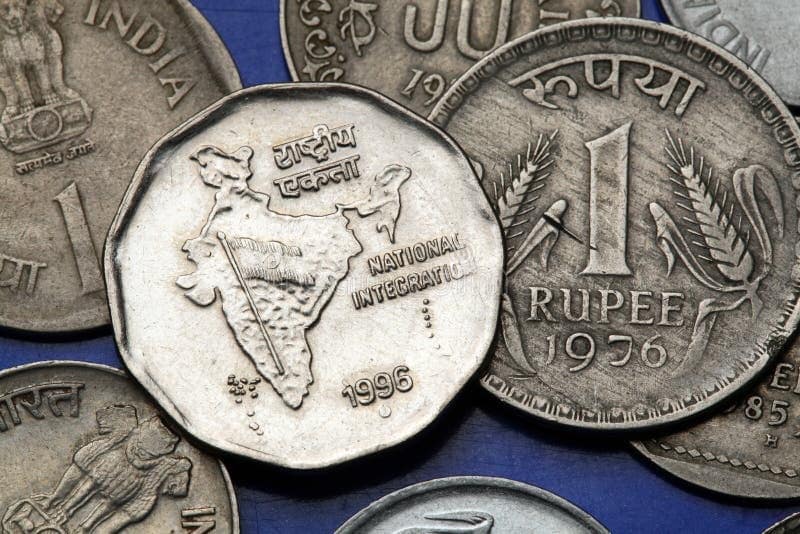
The Indian rupee slipped to a historic low of ₹92 against the US dollar, marking one of the sharpest depreciations in India’s currency history. This fall reflects mounting pressure from global economic uncertainty, foreign fund outflows, and strong demand for the dollar.
Even though mild recovery attempts were seen later, the ₹92 level has already become a psychological shock for markets and the public.
🔍 Why Is the Rupee Falling?
Several factors are driving this decline:
Heavy foreign investor outflows from Indian equity markets Stronger US dollar globally due to higher interest rates Increased importer demand for dollars, especially oil companies Global geopolitical and economic uncertainty Limited short-term capital inflows
Despite interventions, pressure on the rupee continues.
🏦 Role of Reserve Bank Of India
The Reserve Bank of India (RBI) has stepped in through forex market operations and liquidity measures to reduce volatility. However, defending a currency indefinitely is costly, and RBI is focusing more on controlling sharp swings rather than fixing a specific level.
📊 Indian Rupee vs US Dollar – Every 5 Years
Below is a clear historical comparison showing how the rupee has weakened over time.
Indian Rupee vs US Dollar – Every 5 Years
Year – Rupees per US Dollar
1980 – 7.9
1985 – 12.4
1990 – 17.0
1995 – 32.4
2000 – 44.9
2005 – 43.6
2010 – 45.7
2015 – 64.1
2020 – 74.1
2025 – 83.2
2026 – 92 (Record Low)
The data clearly shows that the rupee has weakened steadily over decades, with faster depreciation in recent years.
How This Affects Common People
Imported goods such as fuel, electronics, and mobiles may become more expensive
Foreign travel and overseas education will cost more
Inflation pressure may increase slowly over time

Who Benefits From a Weak Rupee?
Export-oriented companies
IT firms earning in dollars
NRIs sending money to India
However, benefits depend on global demand conditions.
Big Picture
A weak rupee does not always mean a weak economy, but long-term depreciation highlights structural challenges such as import dependence and volatile capital flows. The 92 per dollar mark will remain a significant reference point in India’s economic history.
Follow our news page for daily updates on the Indian economy, currency movements, and market trends.