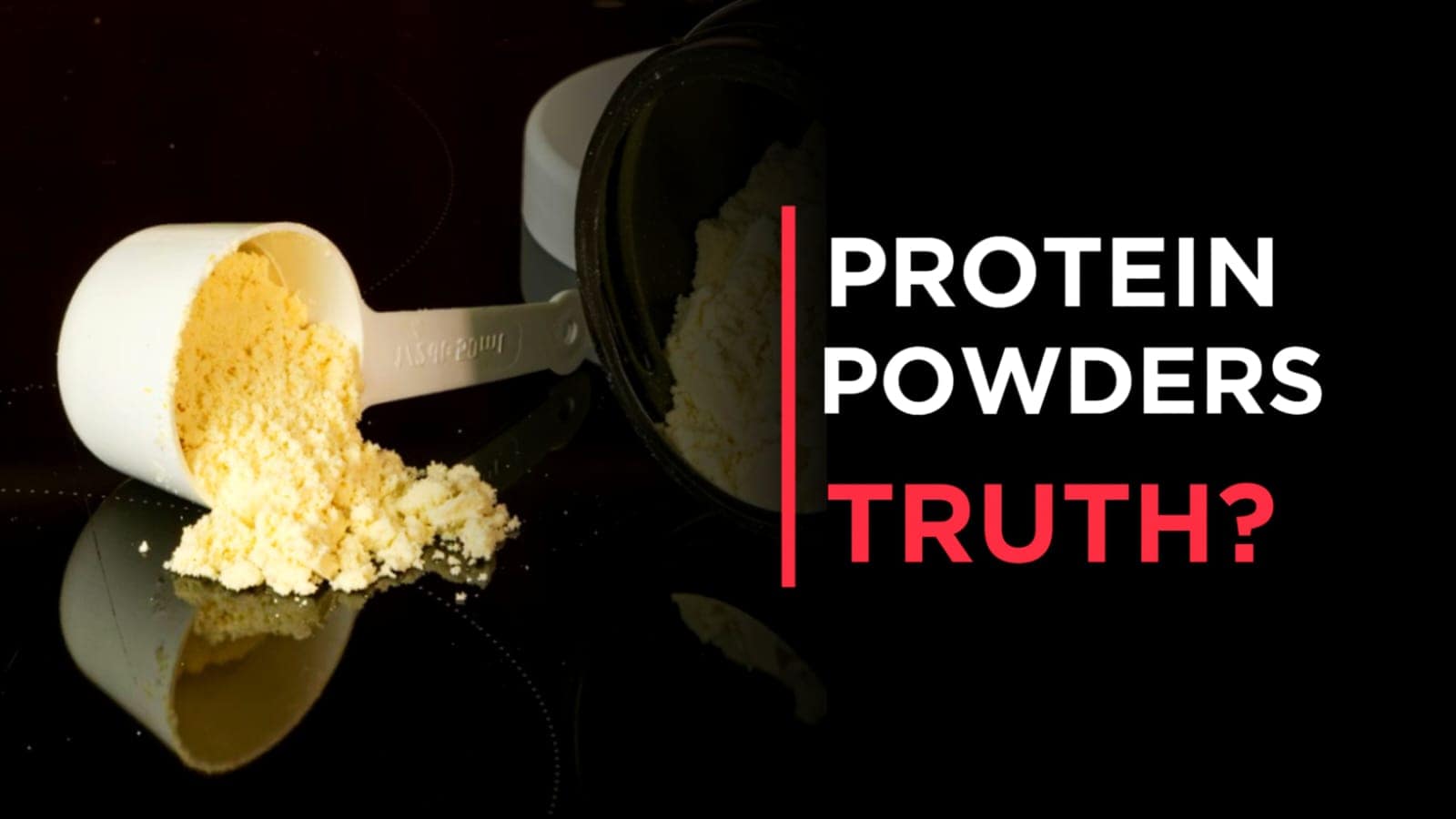
Protein powders are widely used by gym-goers, athletes, office workers, and even older adults. They are marketed as an easy way to meet daily protein needs. However, many people are confused about whether they are truly necessary or even safe.
So, in this blog, let me clear all the doubts about protein powders and give a simple, detailed view on what they are, how they work, and whether they are really needed in daily life.
What Is Protein and Why Do We Need It?
Protein is an important nutrient that helps the body grow and stay healthy. It helps build and repair muscles and supports the immune system. Protein also keeps the skin, hair, and internal organs working properly. Most people can get enough protein from daily foods such as eggs, milk, pulses, fish, meat, nuts, and seeds.
Natural Sources of Protein
Natural protein comes from everyday foods that people eat at home. Eggs, milk, curd, pulses, fish, meat, nuts, and seeds are common protein sources. These foods provide protein along with vitamins, minerals, and healthy fats. They also keep the stomach full for longer and support overall health. For most people, natural foods are the best and safest way to meet daily protein needs.
What Is Protein Powder?
Protein powder is a food supplement made from protein taken out of foods like milk, plants, or eggs. The protein is processed, dried, and turned into a powder that can be mixed with water, milk, or food. Many people use it because it is quick and easy to prepare.
Protein powder is meant to support daily protein intake, not replace real meals. It is useful for people who struggle to get enough protein from food alone. However, it does not give the same nutrients as natural foods like eggs or pulses. Many well-known brands such as Optimum Nutrition, MuscleBlaze, MyProtein, BigMuscles, and Avvatar sell protein powders made using similar preparation methods.
Protein Powder vs Natural Protein Foods
| Feature | Protein Powder | Natural Protein Foods |
|---|---|---|
| Source | Processed protein from milk, plants, and eggs | Whole foods like eggs, milk, pulses, fish, meat, nuts, and seeds |
| Nutrients | Mostly protein | Protein plus vitamins, minerals, healthy fats |
| Convenience | Very quick and easy | Requires cooking and preparation |
| Fullness | Less filling | More filling and satisfying |
| Cost | Often more expensive | Usually lower cost per serving |
| Digestion | Fast digestion | Slower digestion, steady energy |
| Use | Good for gaps or high needs | Best for everyday meals |
Protein Powder vs Eggs and Natural Protein
Eggs and natural protein sources provide more than just protein. They also contain healthy fats, vitamins, minerals, and, in many cases,s fiber. Eggs, in particular, offer high-quality protein that the body uses efficiently.
Compared to this, protein powder mainly provides isolated protein. While it delivers protein quickly, it lacks the broader nutritional value of whole foods. For most people, eating eggs or balanced meals offers better fullness, slower digestion, and more complete nutrition. From a cost perspective, natural foods usually provide more value per serving. Protein powders are often more expensive and are paid for convenience rather than nutritional superiority.\
Cost and Value Comparison
From a value point of view, eggs and natural protein foods usually cost less per serving and give more nutrition. They provide protein along with vitamins, minerals, and healthy fats, which makes them a better value for money. Protein powder mainly costs more because it is easy and quick to use, not because it is more nutritious. Buying protein powder makes sense only when convenience is more important than eating whole, natural foods.

Are Protein Powders Safe?
Protein powders are generally safe for most healthy people when used in the right amount. They are made to help increase protein intake when food alone is not enough. For people who eat a balanced diet and use protein powder only as support, there is usually no harm. Problems mostly happen when people take too much protein powder every day or depend on it instead of real food. People with kidney problems or other health issues should be careful and seek advice before using protein powders.
Protein powder is not a magic product. It works best only when used in moderation and along with normal meals. Eating eggs, pulses, milk, and other natural foods should always come first. Protein powder should only fill small gaps, not replace daily nutrition.
Common Myths About Protein Powders
Myth 1: Protein powder damages the kidneys
For healthy individuals, moderate protein intake is usually safe. Kidney problems may occur only with excessive intake or if someone already has kidney disease.
Myth 2: More protein means more muscle
Muscle growth depends on exercise, rest, and overall diet. Protein alone cannot build muscle without proper training.
Myth 3: Protein powders are steroids
Protein powders are food supplements. They are not drugs and do not work like steroids.
Common Misunderstandings
Many people think protein powder builds muscle faster than food. In reality, muscle growth depends on exercise, recovery, and total calorie intake. Protein powder cannot replace these factors. It is simply a processed food supplement, not a shortcut.
Risks of Overuse
Using too much protein powder may cause stomach problems like bloating or discomfort. It can also lead to extra calorie intake and reduce the intake of real foods. Overuse does not give extra benefits and may affect overall balance.
Smart Use, If You Choose It
Protein powder should be used as a support option, not as a daily meal replacement. Using it occasionally, along with a diet rich in eggs and natural protein foods, is the safest and most balanced approach.
The Conclusion and Final Word
Protein powder is not better than eggs or other natural protein foods. It is simply faster and easier to use. For most people, eggs and real food should be the main source of protein, as they provide better overall nutrition. Protein powder should remain optional, not essential. If you can eat eggs or other protein-rich foods regularly, protein powder is not necessary. If convenience is a problem, protein powder can be used as support, but it should never replace natural food.
Hope we cleared all your doubts about protein powders ✔️
We aim to explain topics simply and clearly 🧠
Follow for more easy-to-understand explainers on health and nutrition ➡️