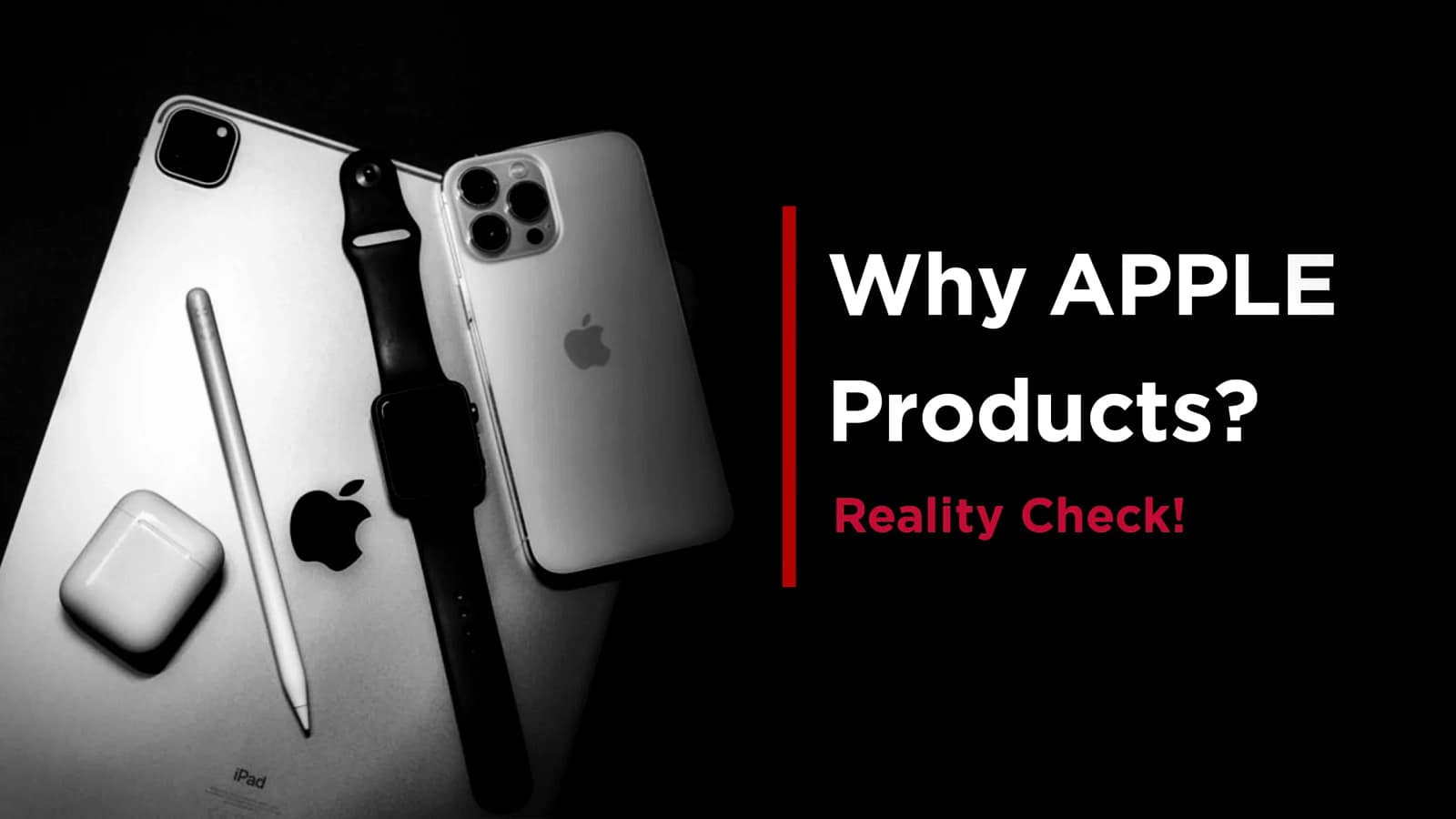
Hello, my friend. If you are confused about Apple products’ worth or need help deciding whether to buy an Apple product, you are not alone. Many people like Apple devices, but feel unsure because of the price and different opinions. This article will help you understand the facts clearly and choose what is right for you.
Why Apple Needs No Introduction
I think there is no need for an introduction to the Apple brand. Almost everyone knows Apple, and many people dream of owning an iPhone or another Apple product at least once. The brand has become part of daily tech conversations worldwide, and for some people, the Apple logo is seen as a status symbol.
Apple is a technology company that makes products like the iPhone, MacBook, iPad, Apple Watch, and AirPods. It also offers services such as the App Store, iCloud, and Apple Music.
Over the years, Apple has built a strong brand based on simple design and smooth performance. Many users trust Apple for its quality, long software support, and premium experience.
Why People Feel Confused About Buying Apple Products
Many people feel stuck when deciding whether to buy an Apple product. The biggest reason is the high price. Some say Apple is worth it, while others say it is not. Online reviews, YouTube videos, and friends’ opinions often say different things.
Because of this, buyers worry about spending too much money and later regretting the decision. This confusion is common, especially for first-time Apple buyers.
For example, a person may see one video praising the iPhone for its smooth performance, while another video says the same phone is overpriced. A friend may recommend Apple for long-term use, but another friend may suggest a cheaper brand with better features. With so many mixed messages, making a clear decision becomes difficult.
Apple’s Core Philosophy: What Apple Really Offers Beyond the Brand
Apple follows a simple but focused philosophy. The company designs both hardware and software under one system, which helps devices work smoothly together. Instead of releasing many models or chasing technical spec battles, Apple keeps fewer options and clearer choices for users. The main goal is to deliver a consistent and easy user experience.
Apple also prioritises stability over experimentation. iPhones, MacBooks, and iPads are built to perform reliably for years, supported by long software updates that keep devices secure and usable. This approach may not always win on paper specifications, but it helps users avoid frequent issues and reduces the need to upgrade often.
Apple vs Other Brands: Key Differences That Matter
Apple devices often feel fast even when their specs look lower on paper. This is because Apple designs its own chips, such as the A-series for iPhones and the M-series for Macs. These chips are made to work perfectly with Apple’s software.
On many Android phones and Windows laptops, hardware and software come from different companies. This can cause slower performance over time. Apple devices stay smooth because everything is well-optimized, and battery use and heat control are better in daily use.
Software Experience and Long-Term Support
Apple offers long software support, usually for 5 to 7 years. Even older iPhones and Macs receive updates, which keep devices secure and smooth. Updates arrive at the same time for all supported devices.
In comparison, many Android phones stop getting updates after 2–3 years. Some also come with heavy skins and ads. Apple avoids forced ads and keeps the software clean, which reduces lag and crashes over time.
Ecosystem Advantage: A Major Difference
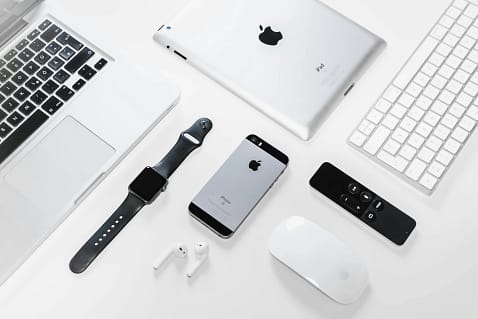
Apple’s biggest strength is how its devices work together. An iPhone, MacBook, iPad, and Apple Watch connect easily and share data without extra steps. Features like AirDrop, Handoff, and Universal Clipboard save time every day.
Other brands offer similar features, but they often work only within limited apps or need manual setup. For people who use multiple devices, Apple’s ecosystem improves productivity and daily convenience.
Security, Privacy, and Data Control
Apple focuses strongly on privacy. Many tasks are processed directly on the device instead of sending data to the cloud. Users also get clear control over app tracking.
On some other platforms, data collection is more aggressive and linked to advertising. Privacy-focused users often choose Apple because it gives more transparency and control over personal data.
Build Quality and Design Consistency
Apple devices use strong materials like aluminum and glass and follow a clean, simple design across products. This helps devices last longer and look modern even after years.
Some cheaper devices use plastic and may wear out faster. Apple products usually face fewer hardware issues over long use, which matters for users who do not upgrade often.
Customer Support and After-Sales Experience
Apple provides support through official stores and authorized service centers. Repair policies are clear, and software support continues even after the warranty ends.
Other brands may rely more on third-party service centers, where service quality can vary. AppleCare is costly but predictable, while third-party warranties are cheaper but less consistent.
Cost: Expensive Upfront, Cheaper Over Time
Apple products cost more at the start, which causes confusion for many buyers. However, they last longer, need fewer replacements, and have high resale value.
Cheaper devices may save money initially, but often require replacement sooner. Over time, the total cost of owning an Apple device can be similar to or sometimes lower than buying multiple cheaper devices.
Apple vs Other Devices: Simple Comparison Table
| Feature | Apple Devices | Android / Windows Devices |
|---|---|---|
| Performance over time | Smooth even after years | Can slow down with time |
| Software updates | 5–7 years of updates | 2–4 years (brand dependent) |
| Ecosystem use | Works smoothly across devices | Limited or brand-specific |
| Privacy control | Strong and user-focused | Varies by brand and apps |
| Build quality | Premium and long-lasting | Depends on price range |
| Resale value | Higher resale value | Usually, lower resale value |
Apple products are expensive at first, but they are built for long-term use. They focus more on smooth performance, software support, and daily comfort than on flashy features.
When Buying an Apple Product Actually Makes Sense
Apple products are not for everyone, but in certain situations, they are a practical and rational choice. Beyond brand appeal, Apple devices offer long-term reliability, tight software–hardware integration, and predictable performance. Below are common scenarios where buying an Apple product genuinely makes sense.
Key Situations Where Apple Is a Good Choice
Long-Term Usage: Apple devices are made for long-term use. Many people use iPhones and MacBooks for 4 to 6 years with stable performance. Long software updates help devices stay useful for many years.
No Major Budget Pressure: Apple products cost more at the start. If price is not a big concern, the higher cost is easier to justify. Good resale value also lowers long-term expense.
Already Using Apple Devices: Apple works best when more than one device is used together. iPhone, MacBook, iPad, and Apple Watch connect smoothly. Features like AirDrop, iMessage, and iCloud save time daily.
Reliable Performance for Work or Study: Apple devices give steady performance for writing, coding, editing, and presentations. Well-optimized apps reduce crashes and errors.
Strong Software Optimization: Apple designs both hardware and software. Because of this, devices feel smooth even without very high specifications.
Security and Privacy Focus: Apple provides regular security updates and strong app controls. This helps protect personal and professional data.
Low Maintenance Experience: Apple devices usually need less manual fixing or cleanup. Software issues are fewer compared to heavily customized systems.
Good Customer Support: Apple Stores and authorized service centers offer structured support. Repair and warranty policies are clear and predictable.
Brand Value and Social Image: Apple products are often seen as premium and professional. This matters for users who care about image and presentation.
High Resale and Exchange Value: Apple devices keep their value better than most brands. Selling or exchanging them during upgrades is easier.
Buying an Apple product makes sense when you value longevity, ecosystem convenience, stability, and brand assurance more than initial cost or hardware flexibility.
Who Should NOT Choose Apple
People Who Must Stick to a Budget: Apple products are expensive. If saving money is the top priority, many cheaper devices can handle daily tasks just as well.
People Who Like Heavy Customization: Apple does not allow big changes in how phones or computers look and work. Users who enjoy full control may feel limited.
Gamers Who Want More Choices: Many games do not run well on Apple computers. Apple devices also do not allow easy hardware upgrades.
People Deeply Using Windows or Android: Apple works best inside its own system. If your phone, apps, or work tools are not Apple, the benefits become limited.
People Buying Only for Brand Image: Apple has a strong brand value, and some people buy it for status. If value matters more than image, other options may be better.
People Who Change Devices Every Year: Apple products are designed for long-term use. Buying expensive devices every year reduces their value advantage.
Psychology Note: Apple often makes buyers feel confident and special about their purchase. However, feeling good about a product does not always mean it is the right choice for your real needs.
The Psychology Behind Why People Choose Apple
Many people trust Apple because of past experience. Once users have a good experience, they feel comfortable staying with the brand. Design, simplicity, and social image also play a role. Owning Apple products gives some users confidence and reduces decision stress. This psychological factor is important but often ignored.
Final Decision Table: Should You Buy an Apple Product?
| Factor | Apple | Other Brands |
|---|---|---|
| Long-term use (4–6 years) | ✔ | ✖ |
| Low upfront budget | ✖ | ✔ |
| Smooth daily performance | ✔ | ✖ |
| Long software updates | ✔ | ✖ |
| Ecosystem convenience | ✔ | ✖ |
| Heavy customization | ✖ | ✔ |
| Privacy and security focus | ✔ | ✖ |
| Gaming flexibility | ✖ | ✔ |
| Low maintenance | ✔ | ✖ |
| High resale value | ✔ | ✖ |
| Brand image matters | ✔ | ✖ |
Conclusion
Apple products are worth buying if you value long-term use, smooth performance, and a simple, reliable ecosystem.
They are not the best choice if low price, heavy customization, or frequent upgrades matter more to you.
The right decision depends on your daily needs—not the brand name. Don’t waste your money without proper research.
Apple Products Worth Still Confused?
You don’t need to overthink it. Just tick the boxes below honestly. If most boxes apply to you, buying Apple may make sense. If only a few match, other brands are likely a better choice for your needs and budget. This checklist is meant to help you decide quickly and clearly with no pressure, no hype.
| Can I afford it without stress or loans? | |
| Do I plan to use this device for 4–6 years? | |
| Do I prefer smooth and stable performance over extra features? | |
| Do I already use other Apple devices? | |
| Am I okay with limited customization? | |
| Do I care more about ease of use than full control? | |
| Am I buying this for real use, not just for brand or show? | |
| Will this device actually improve my daily work or study? |
Click submit to see your result
🔔 Follow our website for more technology news and explainers.
📰 Get clear, fact-based updates to make informed decisions.
📌 Stay connected for the latest tech and digital trends.