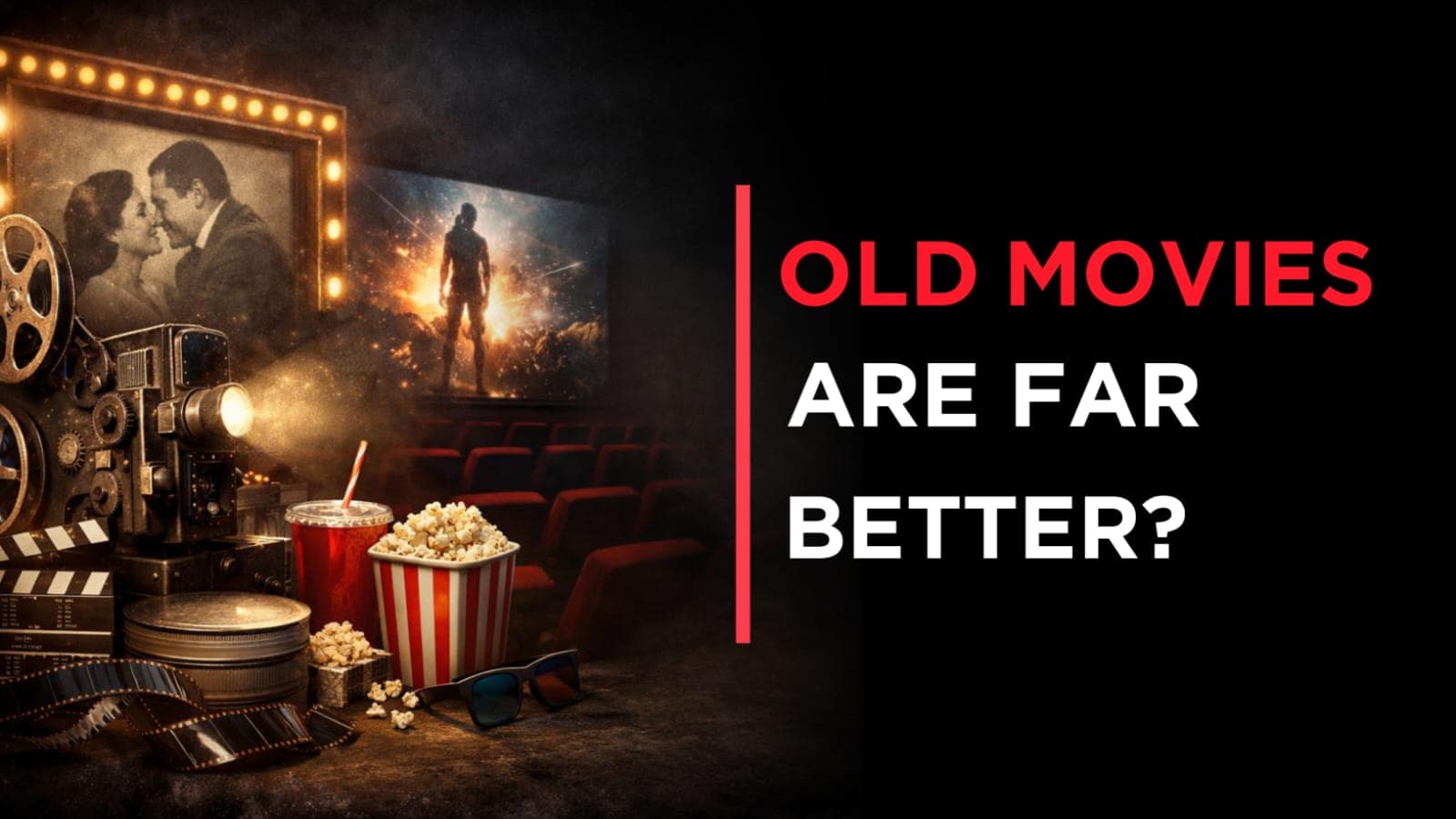
Many people today often discuss Old Movies vs Modern Movies and feel that something has changed in cinema. When I watch films from the 1980s, 1990s, or early 2000s, the experience feels calmer and more emotional. But when I watch many recent movies, the focus often feels faster and louder.
This difference is why the conversation about old movies vs modern movies keeps coming up among movie lovers. Some people say it is nostalgia. Others believe filmmaking style itself has changed over time. After watching films from different decades, I realized the truth probably lies somewhere in between.
The Era Between 1980 and 2005
When people compare Old Movies vs Modern Movies, they usually remember films made between 1980 and 2005. That period produced many movies that are still loved today.
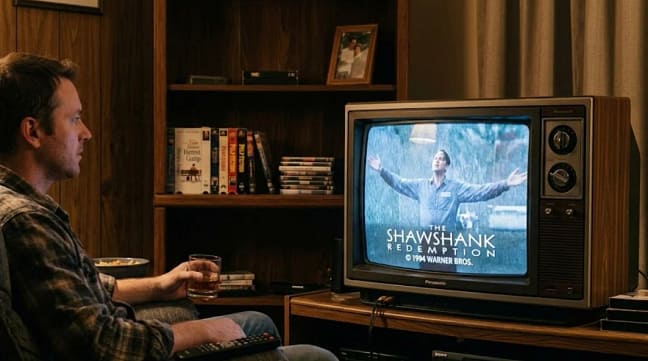
I still remember watching some of those films on television during weekends. Even simple scenes felt meaningful. The stories moved slowly, and the characters stayed in memory long after the movie ended. When thinking about Old Movies vs Modern Movies, that slower storytelling style feels very different from many modern films.
Those movies did not always have huge budgets or advanced technology, but they often had strong writing and emotional moments. That is one reason why discussions about Old Movies vs Modern Movies continue even today.
Nostalgia Is Part of the Feeling
Nostalgia plays a big role when people talk about Old Movies vs Modern Movies. Many of us watched those older films during childhood or our teenage years.
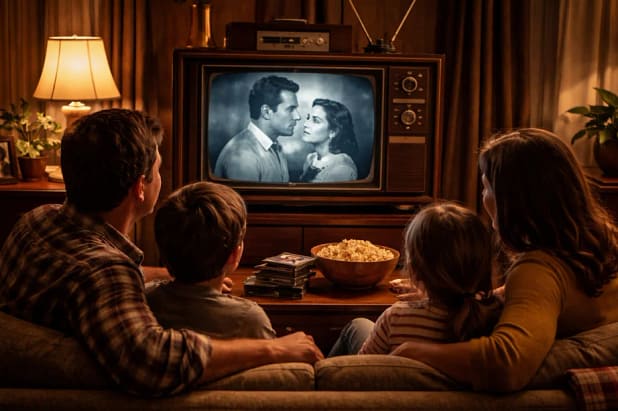
Movies from that time were often watched with family members. Sometimes the same film would come on television again and again, and we would still enjoy watching it. Because of those memories, older movies feel warm and familiar.
When we compare Old Movies vs Modern Movies, we are not only comparing films. We are also remembering moments from our own lives, which makes older movies feel more personal.
Audience Habits Have Changed
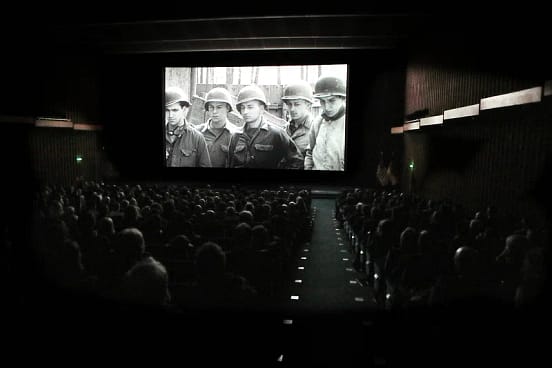
Another reason the debate about Old Movies vs Modern Movies continues is the change in audience habits. In earlier decades, viewers were more patient and comfortable watching slower stories with longer scenes and emotional dialogues. Today, attention spans are shorter because people consume fast content on social media and short videos. Because of this, many modern films move faster and include more action to keep viewers engaged, which makes the difference between old movies and modern movies even more noticeable.
Modern entertainment habits are also changing because of smartphones and constant scrolling. You can read more about this in Screen Time Effects: Why Scrolling on Your Phone Drains Your Brain.
The Rise of Streaming and OTT Platforms
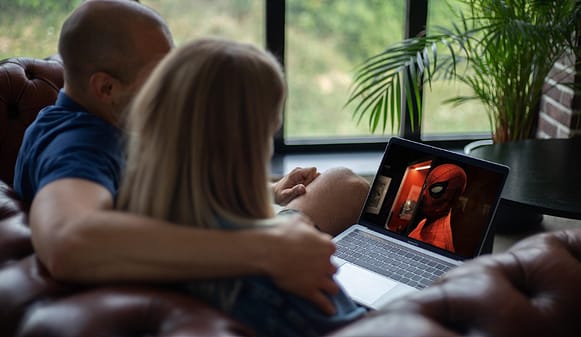
Streaming and OTT platforms have also changed how people watch movies. In the past, people mostly watched films in theaters or on television broadcasts, which made the experience feel special. Today, movies are available instantly on streaming platforms, and viewers can watch them anytime on phones, laptops, or TVs. While this convenience is helpful, it also means audiences move quickly from one film to another, which affects how people experience Old Movies vs Modern Movies.
Storytelling Felt More Personal
| Aspect | Difference in Old Movies vs Modern Movies |
|---|---|
| Story | Older films focused heavily on storytelling and character journeys, while many modern movies emphasize action and spectacle. |
| Effects | Old movies relied on practical effects and real locations, while modern movies use large amounts of CGI and digital production. |
| Music | Songs in older films often stayed popular for decades, while modern soundtracks tend to change quickly. |
| Pacing | Movies from earlier decades moved more slowly and built emotions, while modern movies often move faster. |
| Industry | Older films were usually stand-alone stories, while modern cinema frequently builds franchises and sequels. |
This comparison helps explain why the debate about Old Movies vs Modern Movies continues.
My Personal Thoughts on Old Movies vs Modern Movies
At first, I believed the discussion about Old Movies vs Modern Movies was simply nostalgia. Maybe people only liked the movies they grew up watching.
But after rewatching several films from the 1990s and early 2000s, I noticed something interesting. The scenes felt calmer. The dialogues felt meaningful. Even simple moments stayed in memory for a long time.
That experience helped me understand why conversations about Old Movies vs Modern Movies continue today. You can also explore many classic films in the IMDb Top 250 Movies list.
What Truly Makes Movies Memorable
The debate around Old Movies vs Modern Movies continues because cinema keeps evolving. Movies made between 1980 and 2005 are still remembered for their strong storytelling, emotional depth, and memorable music. When people compare Old Movies vs Modern Movies, they often recall how those older films made them feel.
“Technology may change how movies look, but great stories are what make them unforgettable.”
Modern movies bring advanced technology and stunning visuals, but many viewers still feel that older films had a unique warmth and simplicity. In the end, the heart of cinema has always been the same stories that stay with us long after the movie ends.
You can also explore some timeless films in our guide, Indian Movies to Watch Once in a Lifetime: Top 10 Must-Watch Films.
◆ Follow New2News for more insights on movies, culture, and everyday topics.
◆ Explore more discussions like Old Movies vs Modern Movies and how cinema continues to evolve.
◆ Stay curious, keep watching, and enjoy the stories that make movies timeless. 🎬