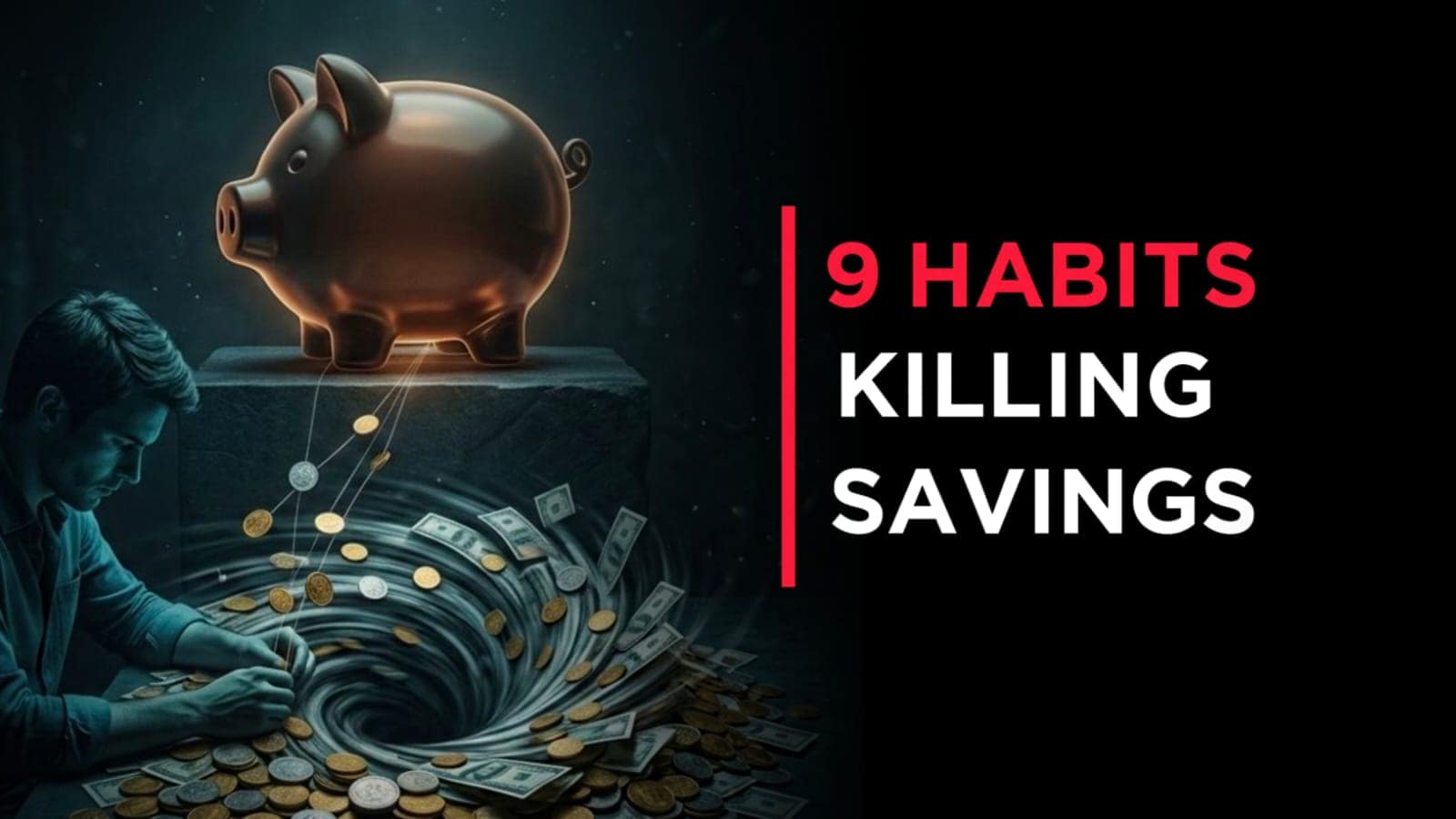
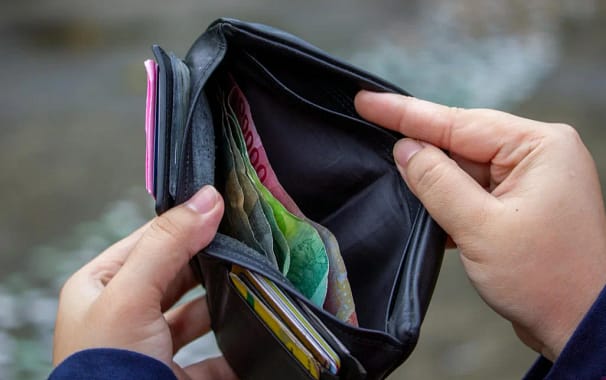
Saving money feels difficult for many people. Look at your wallet for a moment. Is there as much money as you expected?
Most of us are middle-class. We work hard every month, yet saving still feels difficult because small spending habits slowly reduce what we can keep. I used to think I did not earn enough. Later, I realized the real problem was not my income. Small daily choices were quietly blocking my goal to save money. If this feels familiar, you are not alone.
Why Saving Money Feels Harder Today
Saving money feels harder today than it did in the past. Prices of food, fuel, rent, and education keep increasing. At the same time, salaries do not always grow at the same speed. Social media also creates pressure to spend more and show a better lifestyle. Because of this environment, controlling spending habits requires more awareness and discipline than ever before.
The Psychology Behind Spending Habits
Spending habits are often emotional, not logical. When people feel stress, boredom, or comparison pressure, the brain looks for quick rewards. Buying something new gives temporary excitement. This short pleasure makes the brain repeat the behavior. Over time, this pattern weakens saving money goals. Understanding this psychology helps you pause before making unnecessary purchases.

9 Habits That Stop You from Saving Money
Building wealth does not always require a high salary. It requires control over your spending habits and a clear focus on how to save money every Month. Let us understand the most common mistakes.
1. Buying Things to Feel Better (Emotional Spending)
Many people spend when they feel stressed, bored, or upset. This is harmful because it leads to unnecessary spending.
Ramesh orders expensive food after a hard day. Priya shops online when she feels low. It gives short-term happiness, but it reduces savings. I once bought costly headphones even though my old ones worked fine. I did not need them. That decision delayed my goal of saving money.
Before buying, ask yourself:
“Do I need this, or am I just reacting to my feelings?”
Check our guide on 10 Dangerous Foods You Should Avoid Eating Daily to make smarter food choices.
2. Small Daily Expenses That Add Up
Small daily spending looks harmless:
- ₹100 coffee
- ₹150 snacks
- Extra rides
- Random online orders
But these spending habits slowly reduce your ability to save money.
₹100 daily becomes: ₹3,000 per month, ₹36,000 per year. You can also read Is Sugar Unhealthy? Health Risks and Safe Limits to see how daily food habits affect both health and money.
My friend Arjun spends ₹150 daily on snacks. He never realized how this affected his money-saving goals. Small leaks stop big Saving plans.
3. Using Credit Cards Without Discipline
Credit cards are useful tools, but careless spending habits can create debt.
Common mistakes:
- Paying only the minimum due
- Ignoring interest
- Swiping for non-essentials
Neha pays only the minimum every month. Interest keeps growing. Because of this, savings become impossible. If you want to save money consistently, always pay the full bill on time.
4. Not Tracking Where Money Goes
One of the worst Spending Habits is not tracking expenses. Without tracking, money spending becomes like flowing water.
When I checked my bank statement carefully, I found:
- Unused subscriptions
- Extra food delivery
- Impulse purchases
Tracking expenses improves control and increases savings. Awareness improves saving money.
Track monthly:
- Rent
- Food
- Transport
- Shopping
- Entertainment
5. Copying Other People’s Lifestyle
Comparison leads to dangerous spending habits.
- A friend buys a new phone
- Colleague upgrades bike
- Neighbor takes luxury vacation
Suresh bought an expensive phone on EMI just to match his friends. Now he struggles with saving money. Your income and goals are different. Protect your savings plan.
6. Shopping Without a Plan
Shopping without a list increases poor spending habits. You go to buy basic groceries, but return with extra items you did not need. This behavior reduces savings over time. Plan first, Shop later.
When I started carrying a list, my grocery expenses reduced, and my savings improved.
7. Ignoring Emergency Savings
Without emergency savings, unexpected events destroy the chance of saving money.
Emergencies include:
- Medical bills
- Repairs
- Job loss
Rahul had no emergency fund. When his laptop broke, he borrowed money at interest. This stopped his progress in saving money completely. Even small monthly savings protect your savings goal.
If you are confused about whether to focus more on earning or staying healthy, read our detailed guide on Money vs Health: Which Should Come First and Balance to understand how both are connected.

8. Paying for Unused Subscriptions
Many people forget about active subscriptions. These silent spending habits slowly reduce savings.
- OTT platforms
- Gym memberships
- Paid apps
My cousin Aman was paying for three streaming platforms but was using only one. After canceling two, his savings improved immediately.
Review subscriptions monthly to support saving money.
9. Saving Only What Is Left
This is the biggest mistake affecting saving money. Many people are following
- Spend first
- Save whatever remains
Usually, nothing remains. These spending habits block progress. The better thing is
- Save first
- Spend the rest
When I started auto-transferring 10% of my salary immediately, my savings became consistent. Pay yourself first to strengthen saving money.
Quick Comparison Table
| Spending Habit | Impact on Saving Money & Better Approach |
|---|---|
| Emotional spending | Reduces savings quickly. Pause before buying. |
| Small daily expenses | Causes a gradual loss of money. Track daily spending. |
| Credit card misuse | Interest blocks saving. Pay the full bill monthly. |
| No expense tracking | No control over money. Write all expenses. |
| Lifestyle comparison | Creates EMI pressure. Live within your income. |
| No shopping list | Leads to extra purchases. Plan purchases. |
| No emergency fund | Forces borrowing during a crisis. Save monthly. |
| Unused subscriptions | Silent money drain. Cancel unused plans. |
| Saving last | Results in no money saved. Save first. |
Signs Your Spending Habits Are Blocking Saving Money
Before blaming your income, pause and reflect on your spending habits. Real change begins with honest self-evaluation. If you want real progress in saving money, you must first understand your behavior.
Ask yourself:
- Do I run out of money before the month-end?
- Do I regret purchases often?
- Do I delay saving money every month?
- Do I avoid checking my bank balance?
- Do I buy things without planning or comparing prices?
- Do I use credit cards for non-essential items?
- Do I feel temporary happiness while spending, but stress later?
- Do I have no clear saving money goal?
If many answers are yes, your sending habits may be stopping your progress in Savings.

Simple Steps to Improve Saving Money
To improve saving money, follow these:
- Track expenses for 30 days- use Spendee for tracking
- Build an emergency fund
- Avoid emotional spending
- Cancel unused subscriptions
- Save at least 10% first
- Set a clear saving money goal
You do not need a huge salary. You need discipline and control over your spendings