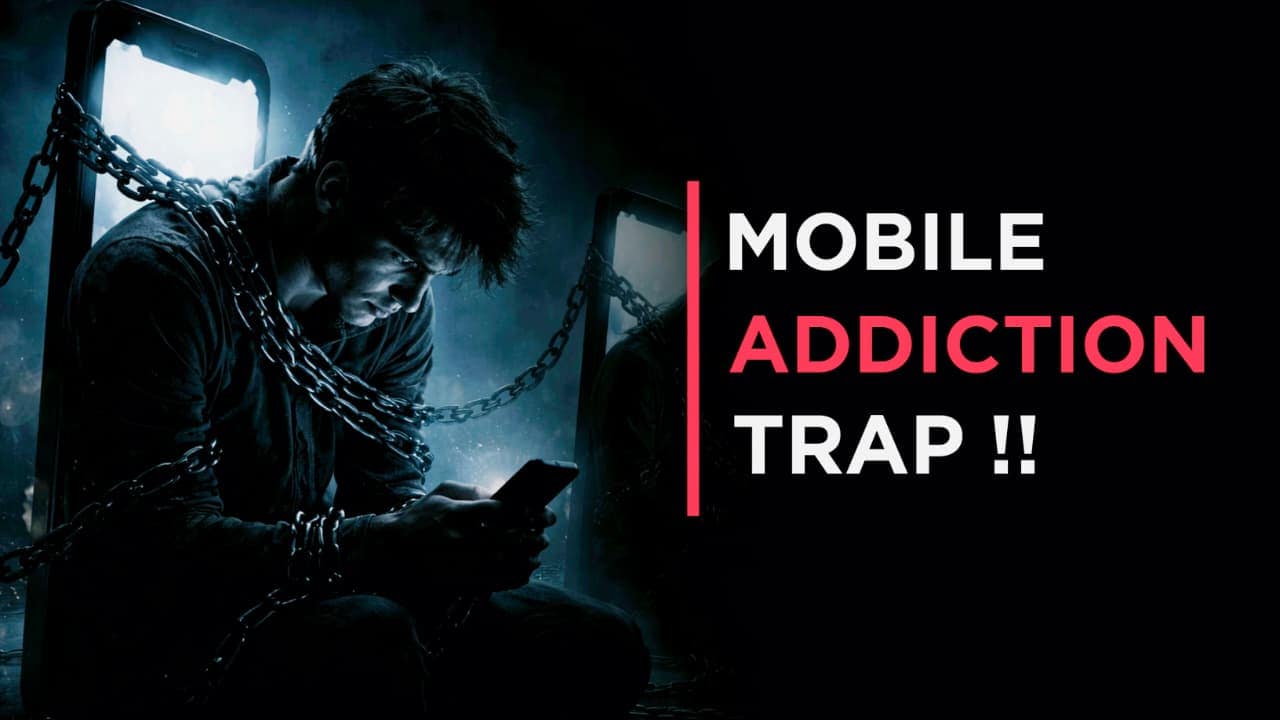
Look around you right now. Your phone is probably very close. It may even be in your hand.
Phones were created to help us. But today, many people feel they cannot live without them. What was once a useful tool has slowly turned into a phone addiction, something that controls our time, focus, sleep, and even our happiness.
I did not realize this at first. I felt busy all day but did not get much done. Hours disappeared while scrolling, watching videos, and checking notifications. Over time, I understood that this pattern was not normal use — it was phone addiction. My mind felt tired, my sleep became worse, and even talking to people felt less enjoyable.
If this sounds familiar, you are not alone. Phone addiction is becoming common in daily life.
Your Brain Starts Depending on It
Phone addiction changes how your brain behaves. Every notification, like, or new video gives a small feeling of pleasure. After some time, your brain starts wanting this feeling again and again. This is how phone addiction slowly builds. Normal activities like studying, reading, or working begin to feel boring compared to quick digital rewards.

I noticed this when I tried to focus on something important. Within minutes, I wanted to check my phone — not because I needed to, but because phone addiction had trained my brain to expect constant stimulation.
Common mental effects of phone addiction include:
- Short attention span
- Feeling restless
- Anxiety and stress
- Difficulty focusing
- Comparing your life with others online
Your brain slowly prefers quick entertainment over meaningful tasks.
If you want to understand this deeper, read our detailed guide on Screen Time Effects: Why Scrolling on Your Phone Drains Your Brain, where we explain how constant scrolling reduces focus and mental clarity.
Your Body Also Gets Affected
Phone addiction not only affects the mind. It also affects the body. Using your phone for long hours can cause:
- Eye pain and headaches
- Neck and shoulder pain
- Poor posture
- Less physical activity
- Constant tiredness
Sometimes I felt very tired even though I had not done any heavy work. Later, I understood that phone addiction and excessive screen time were draining my energy. Your body is meant to move, not to sit still and look down at a screen for hours.
Sleep Is One of the First Things to Suffer
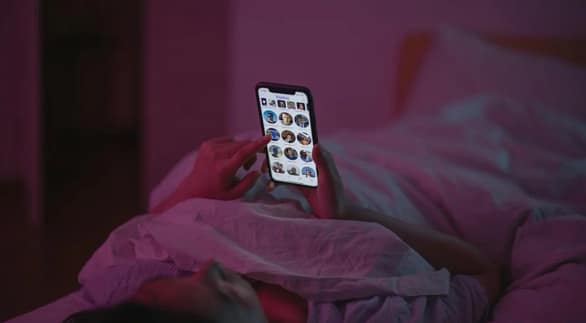
Phone addiction often damages sleep badly. Many people say, “Just 10 minutes,” but it turns into one or two hours. The bright light from the screen keeps your brain awake. Interesting content also makes it hard to relax. This pattern strengthens phone usage because late-night scrolling becomes a habit. The next day, you may feel:
- Very tired in the morning
- Sleepy during the day
- Slow thinking
- Low energy
- Irritability
Good sleep is important for health, mood, and productivity. Phone addiction quietly steals this rest.
You can also explore our article on Poor Sleep Habits: Daily Habits That Destroy Your Sleep to understand how nighttime phone use damages rest and recovery.
Your Productivity and Career Are Affected
Phone addiction wastes time, and time is your most valuable resource. Every hour spent on mindless scrolling is an hour not spent learning new skills, improving yourself, or building your future. One day, I checked my screen time honestly. The result shocked me. Several hours were spent on apps that offered no real value. That is how phone addiction reduces daily progress. This leads to:
- Procrastination
- Poor concentration
- Slow skill growth
- Lower work performance
- Missed opportunities
Success comes from small daily efforts. Phone addiction interrupts that effort again and again.

Relationships Become Weaker
Phone addiction also affects relationships. You can sit next to someone and still feel distant. Phones reduce real conversations and attention. You may be physically present but mentally somewhere else. Signs of phone addiction in relationships include:
- Checking your phone while someone is talking
- Less eye contact
- Short or distracted conversations
- Feeling emotionally distant
Strong relationships are built through small daily moments. Using mobiles slowly removes those moments.
The Biggest Loss: Your Time and Potential
The most serious damage of phone addiction is lost time. Time cannot be saved or recovered. Once it is gone, it never comes back. Phone addiction does not look dangerous in the moment, but it quietly reduces your focus, growth, and opportunities.
Years later, people rarely regret working hard or learning something new. But many regret wasting time on endless scrolling caused by phone addiction.
Signs You May Have Phone Addiction
Ask yourself honestly:
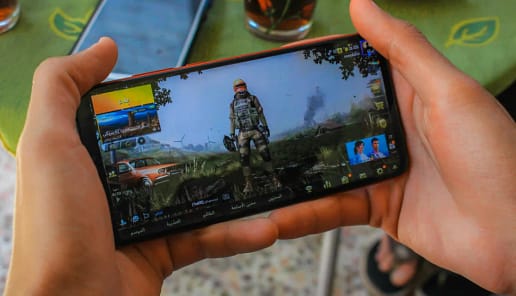
- Do you check your phone immediately after waking up?
- Do you feel uncomfortable without it nearby?
- Do you scroll without any clear reason?
- Do you lose track of time while using it?
- Do you use your phone to avoid difficult tasks?
If you answered yes to many of these, you may be dealing with phone addiction.
Phone addiction means losing control, not just using your phone often.
How to Reduce Phone Usage
You do not need to stop using your phone completely. You just need better control over it.
- Turn Off Unnecessary Notifications: Most alerts are not important and increase phone usage and screen time.
- Keep Your Phone Away During Work: Distance reduces temptation and weakens mobile addiction habits.
- Avoid Using Phones Before Bed: Give your brain time to relax and reduce addiction at night.
- Create Phone-Free Areas: For example, the dining table, bedroom, or study area.
- Replace Scrolling With Better Activities: Reading, exercise, hobbies, or talking to family and friends can replace using a phone.
- Track Your Screen Time: Seeing the numbers can help you reduce addiction gradually.
Final Thoughts
Your phone is not a bad thing. It is a powerful tool. But without limits, phone addiction can slowly damage your health, focus, relationships, and goals. Using phones does not destroy life suddenly. It does so quietly, one distracted hour at a time.
The good news is that you can change at any time. Once you become aware of when to use the phone, you can start taking control. Put the phone down sometimes. Look around you. Talk to people. Learn new things. Take care of your body and mind.
Because the life you truly want will never be found at the bottom of an endless scroll.
◆ Follow New2News for more practical insights on health, focus, and digital life.
◆ Stay aware. Stay disciplined. Take control of your time.
◆ Your future deserves attention, not distraction.