When social media becomes the courtroom, justice is often the first victim
Introduction: When the Internet Becomes the Judge
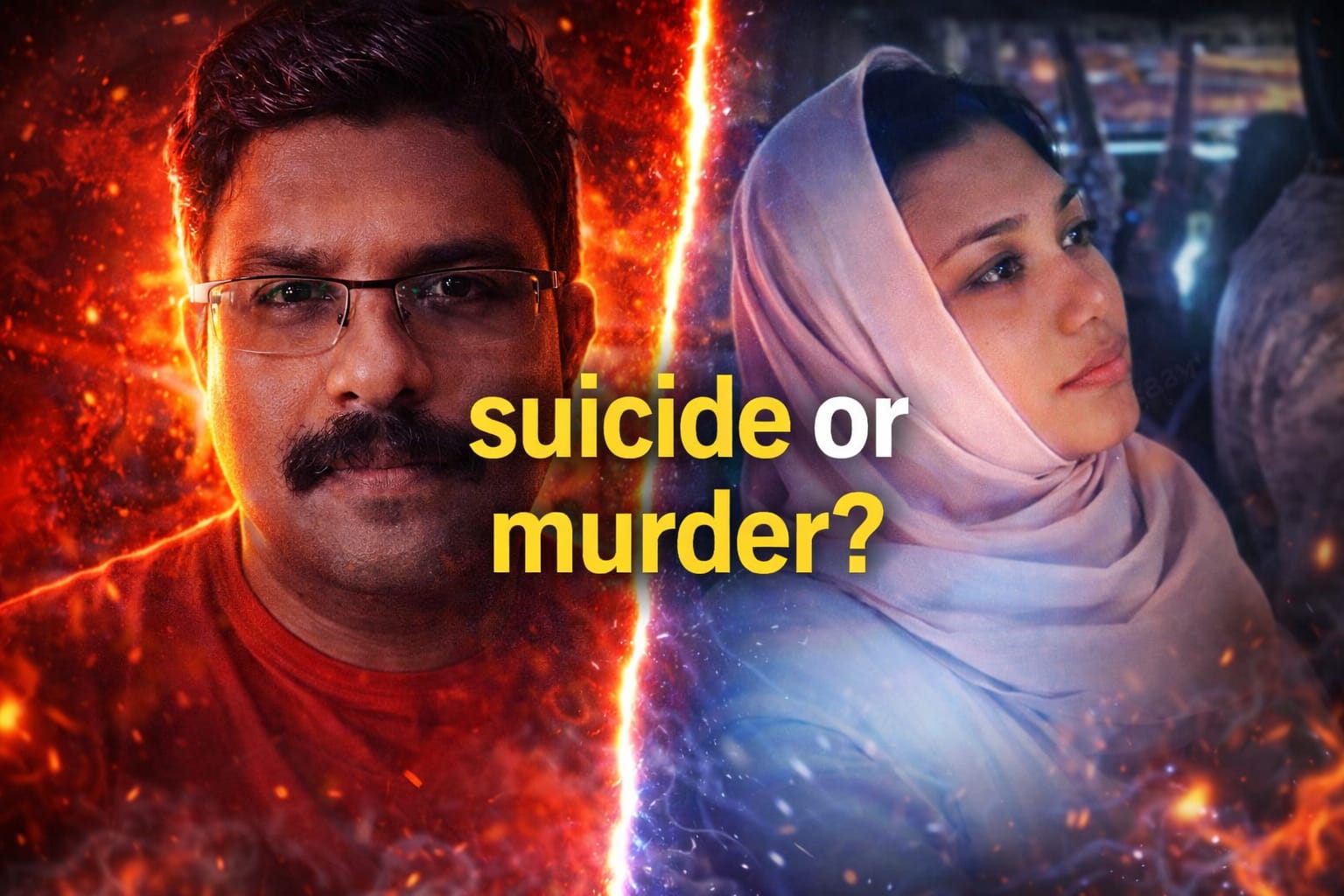
In the age of instant virality, truth often becomes the first casualty. A few seconds of video, stripped of context, can ignite outrage, attract millions of views, and trigger irreversible consequences. One such incident from Kerala shows how social media trials—fueled by assumptions and amplified by algorithms—can punish before facts are known. Tragically, in this case, a life was lost before truth could even breathe online.
The Incident: A Crowded Bus and a Viral Clip
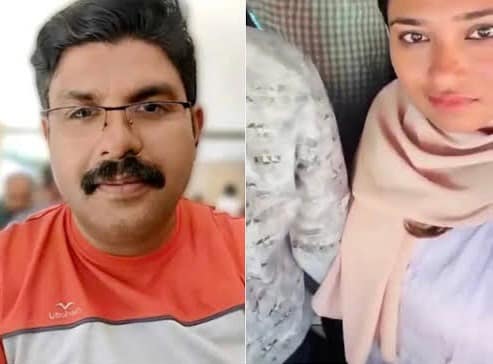
The episode began with a short video recorded on a crowded bus in Kerala. The clip was shared online with allegations of harassment against a middle-aged man. As the video spread rapidly across platforms, it triggered immediate public anger. Hashtags trended, opinions hardened, and the accused man’s face circulated widely—long before any official investigation could conclude.
Within hours, the video crossed millions of views, transforming a complex situation into a simplified narrative. In the court of social media, judgment was swift.
What the Video Actually Showed
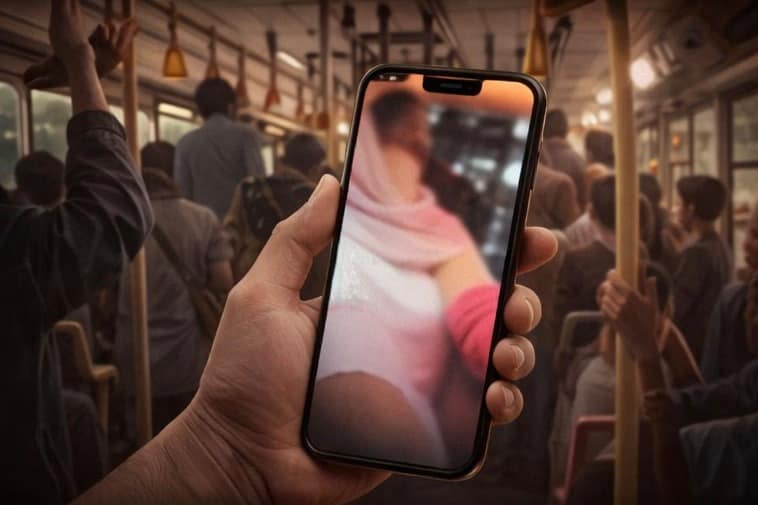
A closer look at the visuals suggested something important: the man appeared to be trying to maintain distance in a cramped space. Crowded public transport often forces uncomfortable proximity, and short clips can easily misrepresent intent. However, nuance rarely survives virality.
Instead of cautious interpretation, the clip became “proof” in public discourse—without verification, without hearing all sides, and without waiting for authorities.
Public Outrage and Its Ripple Effects
As outrage grew, the man faced relentless online abuse. Comment sections turned hostile. Messages escalated into threats. His identity spread across platforms, making escape from public scrutiny impossible.
At the same time, the woman who posted the clip also became a target—facing cyberattacks and intense pressure. This highlights a painful truth: social media trials harm everyone involved—the accused, the accuser, and their families.
Mental Stress, Isolation, and a Tragic End
According to relatives, the man experienced extreme mental stress and isolation after the video went viral. The constant abuse, loss of dignity, and public shaming took a severe toll.
Soon after, he died by suicide.
A life ended—not after a court verdict, not after verified findings—but after online judgment.
Police Investigation and Due Process
Authorities registered the case as an unnatural death and began examining the circumstances carefully, including digital evidence. This step underscores a critical point: truth requires time, investigation, and due process.
Justice is not instant. It cannot be delivered through reels, comments, or trending hashtags.

The Bigger Issue: Social Media Trials
This case exposes a dangerous pattern:
1.Viral content replaces verification
2.Outrage replaces empathy
3.Algorithms reward anger, not accuracy
Social media platforms are powerful tools—but with power comes responsibility. When users act as judges and executioners, the cost can be devastating.
Victims deserve justice. The accused deserve due process. Families deserve compassion. None of these are served by instant online verdicts.
What We Must Learn
1.Pause before sharing – A click can change lives.
2.Context matters – Short clips rarely show the full story.
3.Empathy over outrage – Real people live behind viral posts.
4.Let institutions do their job – Courts, not comment sections, decide guilt.
Conclusion: Justice Needs Truth, Not Speed
One viral video. One crowded bus. One life lost.
This tragedy is a reminder that justice needs truth, empathy, and due process—not instant judgment. Once a life is gone, apologies, hashtags, and silence can never bring it back.
As digital citizens, the responsibility is ours—to slow down, think critically, and choose humanity over virality.
Call to Action
If you value responsible journalism and thoughtful analysis, follow our page and stay updated through our news section for more stories that go beyond the headlines.