In India, trust travels faster on WhatsApp than truth ever can.
Trust Is Emotional, Not Logical
In India, trust is deeply emotional. People do not always trust systems or institutions. They trust people. When a message comes from a father, mother, uncle, friend, or a respected elder, the brain does not treat it as “news.” It treats it as advice. This is the biggest reason WhatsApp messages feel more reliable than real news.
A TV channel may have reporters, editors, and proof, but it does not have a personal relationship. A WhatsApp forward comes with an invisible line that says, “Someone who cares about you sent this.” That feeling is powerful. It lowers doubt instantly. Most people do not ask, “Is this true?” They ask, “Why would my own people lie to me?”
This is how trust shifts from facts to feelings. Once emotions take control, logic steps back. Even educated people fall into this trap. Education does not always protect against emotional trust. In many cases, it only gives people confidence to defend wrong information.
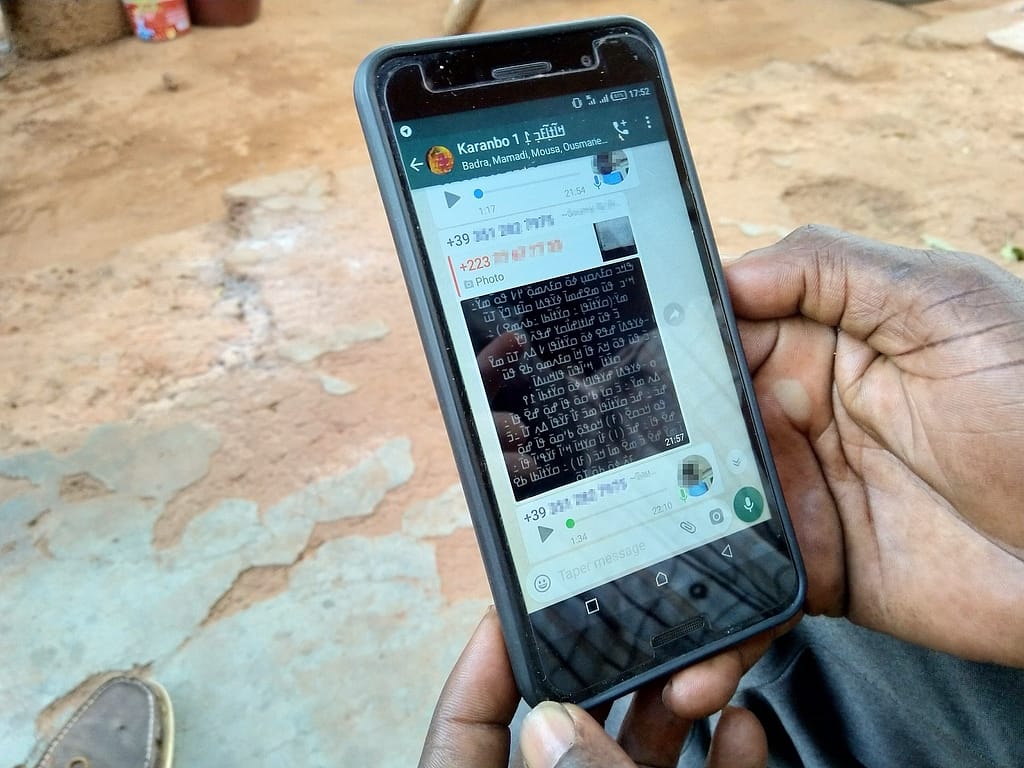
Another issue is respect for elders. In many Indian families, questioning elders is seen as rude. If an elder shares a message, younger members accept it silently. Over time, wrong information becomes family truth. Nobody wants to be the person who says, “This is fake.”
This emotional trust is stronger than any newspaper headline.
WhatsApp Feels Real, News Feels Distant
WhatsApp messages are written like normal speech. They use simple words, local language, and everyday examples. They talk directly to the reader. Real news uses formal language. It sounds official. For many people, official language feels cold and confusing.
A WhatsApp message feels like someone is talking to you. A news article feels like someone is talking at you.
This difference matters a lot.
Many viral messages say things like “media will never tell you this” or “this is hidden truth.” These lines make people feel special. They feel like they are smarter than others. Real news does not flatter the reader. It just presents facts. Facts do not give ego satisfaction.
Also, news is often slow and detailed. WhatsApp is fast and short. People today do not want long explanations. They want quick answers. WhatsApp gives simple conclusions, even if they are wrong. News gives complex reality, which feels tiring.
There is also anger toward mainstream media. Many people believe news channels are biased or controlled. Some believe channels support one political side. Others think news is driven by money. Because of this belief, even true news is doubted.
WhatsApp feels free from control. People think, “This is not TV, so it must be honest.” This is a dangerous misunderstanding. Just because something is not official does not mean it is true.
Still, this feeling pushes people away from real news.
Fear, Pride, and Rumors Spread Faster Than Facts
WhatsApp messages spread because they touch emotions. Fear messages say something bad will happen. Pride messages say our country or religion is under threat. Rumor messages say someone is hiding the truth. These emotions are strong. They force people to share without thinking.
Real news avoids emotional language. It uses balance and verification. That makes it less exciting.
Many viral messages create urgency. They say “share now,” “send to everyone,” or “before it gets deleted.” This creates panic. People forward first and think later. Sometimes they do not think at all.

Another big reason is low digital awareness. Many users do not know how fake news works. They do not know that old videos can be reused. They do not know images can be edited. They assume everything on their phone is real.
For first-time internet users, WhatsApp is the internet. There is no difference between a news website and a forwarded message. Everything looks the same on a small screen.
Indian culture also plays a role. For generations, information was shared by word of mouth. People trusted what they heard from neighbors and relatives. WhatsApp is just a digital version of that habit. The habit stayed, only the medium changed.
The problem is scale. Earlier, wrong information spread slowly. Now it spreads to thousands in minutes.
This blind trust has caused serious damage. Fake health advice has harmed people. False rumors have created fear. Some messages have even led to violence. Trust without verification becomes dangerous.
Real news is not perfect. But it follows rules. It can be questioned. It can be corrected. WhatsApp messages have no responsibility and no accountability.
The solution is not to stop using WhatsApp. The solution is to pause. To ask simple questions. Who created this? Where is the proof? Is this reported anywhere else?
Trust should come from truth, not from who forwarded it.
Follow our news page for more simple, honest, and deeply explained stories that help you understand what is really happening around you.